SUGAR | Unraveling common questions and debunking myths
Chocolate's Ancient Origins to Modern Misconceptions. Join us on a fascinating journey as we explore sugar and chocolate.
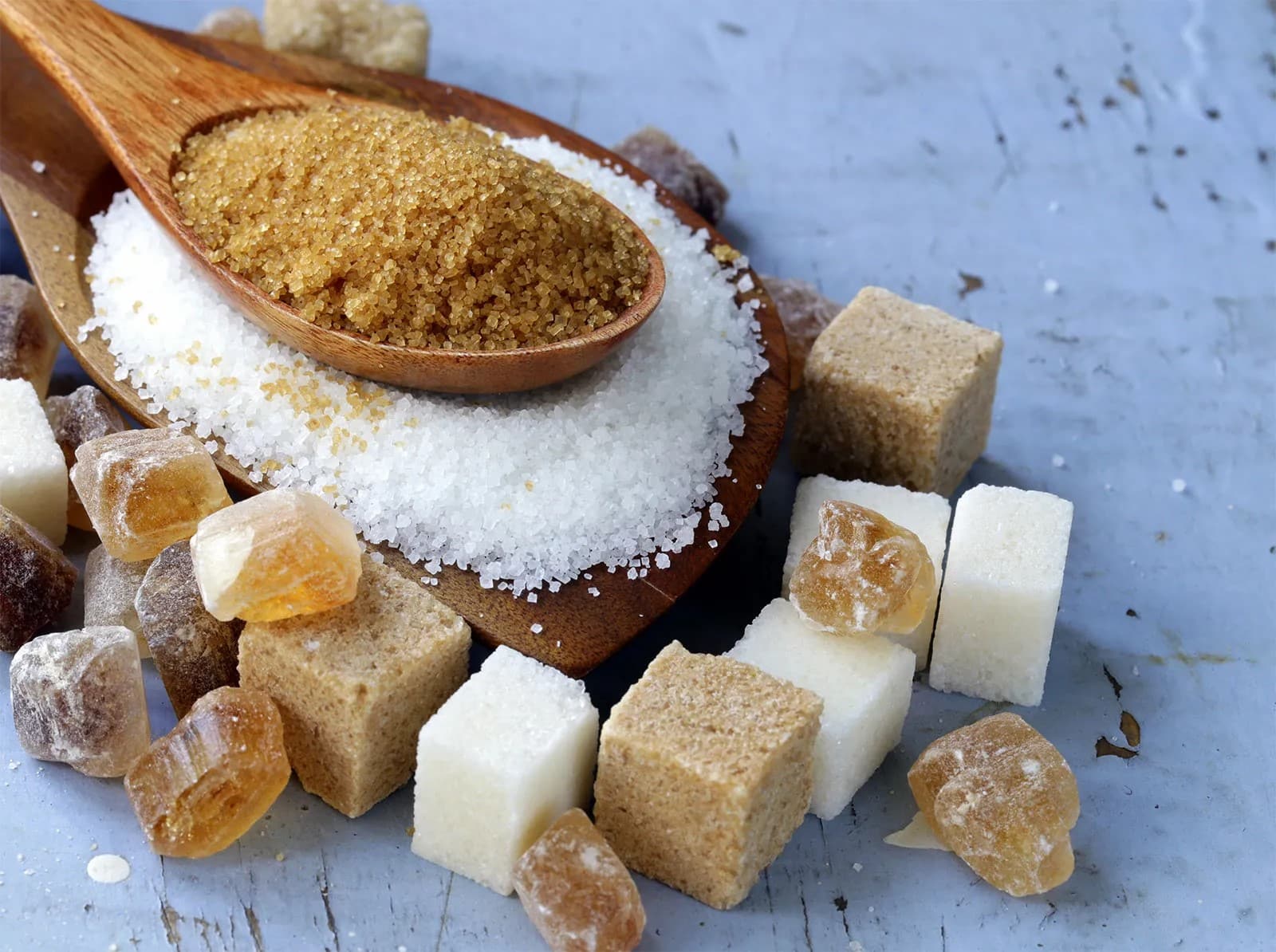
Chocolate's Ancient Origins to Modern Misconceptions. Join us on a fascinating journey as we explore sugar and chocolate.
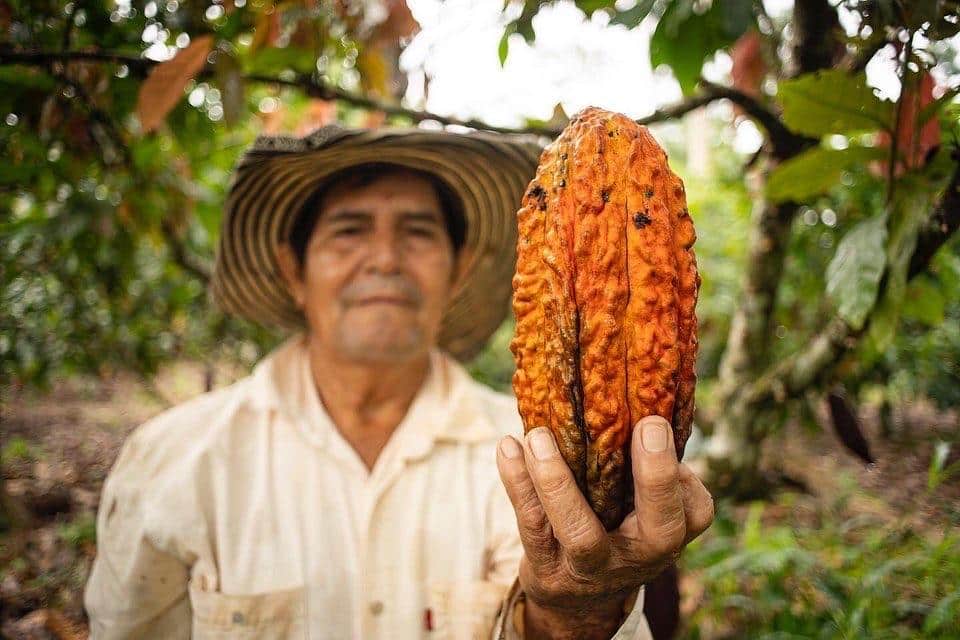
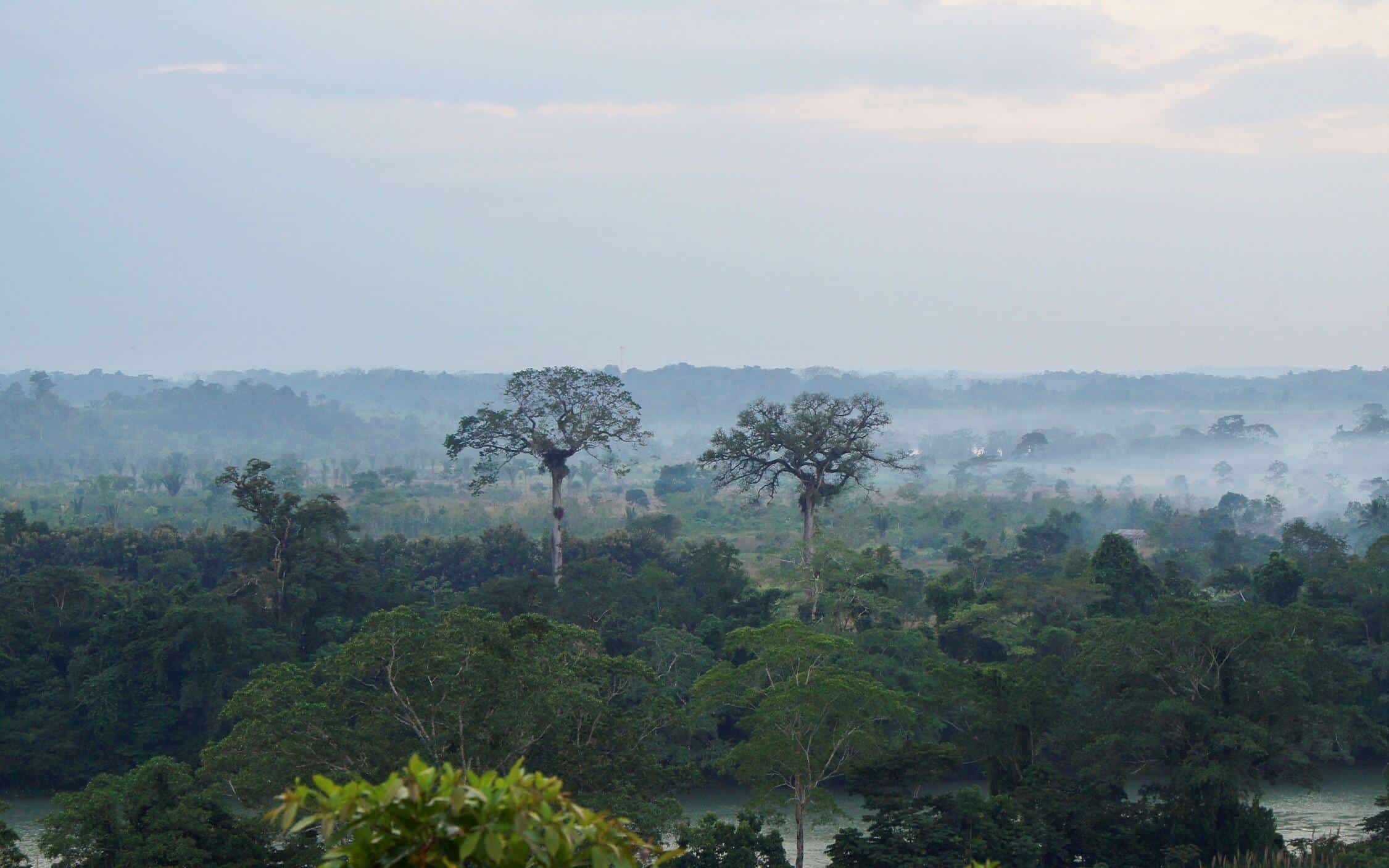
There is an opportunity for the craft to differentiate on sustainable topics, but it requires work and a genuine interest in every single action you take. Credibility is key in your communication, and craft cacao can differentiate on sustainability efforts with transparant, relevant and hones communication
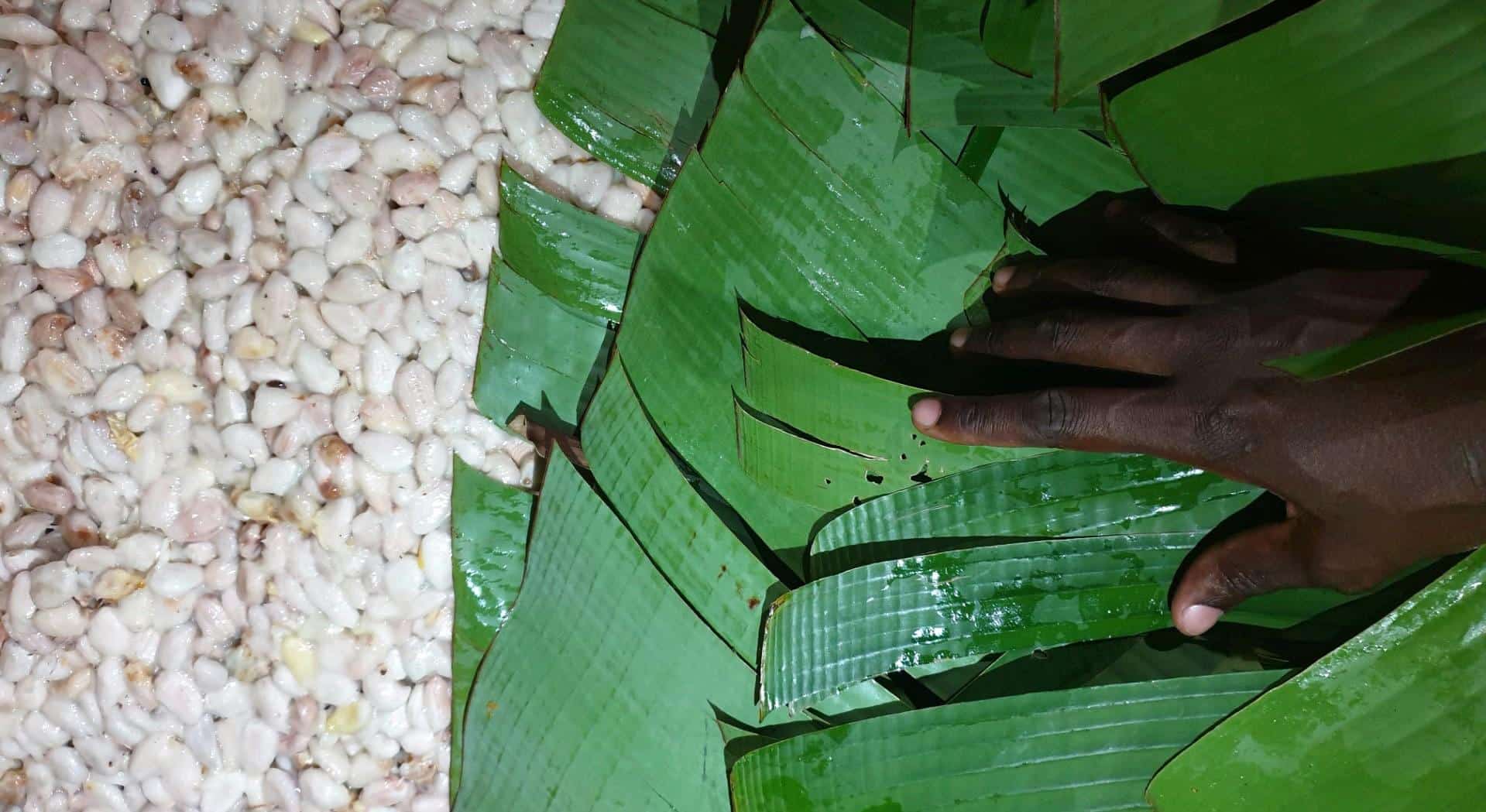
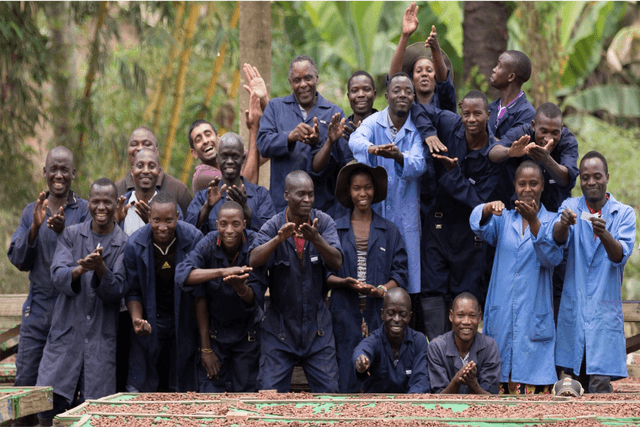
As Albert Einstein once said, “Assumptions are made and most assumptions are wrong.” In the world of cocoa, there is the long-standing assumption that decentralized fermentation can never produce high-quality cocoa. In this newsletter, we want to challenge this assumption and show that there is no unambiguous relationship between central fermentation - good cocoa and decentralized fermentation - bad cocoa.
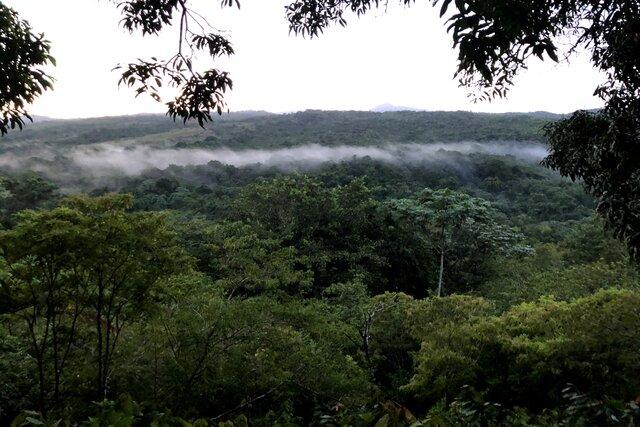
As Silva team we are sending our warmest Christmas wishes your way. We hope your home will be filled with happiness. Because we want to thank you for the great partnership, lovely encounters, and delicious chocolate, we get one step ahead of Santa Claus and give you a little something already: a tree in the Dominican Republic!
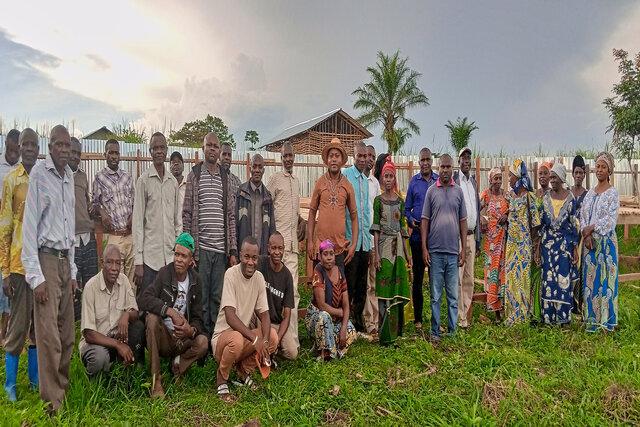
Despite perfect climatic conditions and abundant fertile soils, cacao arrived relatively late in Congo DRC. The first trees were planted in the late 19th century, when Congo was a colony of Belgian's King Leopold II. Commercial cacao plantations sprung up along the Congo River in western Congo in the 1920-30s. After independence in 1960 the cacao industry slowly disappeared, only to make a comeback some twenty years ago. Today, the centre of the cacao industry moved from west to east Congo, especially Kivu and Ituri. This used to be a coffee growing area, but in the late 1990s the coffee plants were affected by a serious disease, and farmers started to look for an alternative. And in came cacao! Silva Cacao, together with a team of specialists, helped to develop specialty cacao in the Ituri Province. Each cacao quality has a unique flavour profile, and a great story about improving the livelihood of smallholder farmers, conservation and protection of forests and wildlife, and increasing safety through mobile banking.
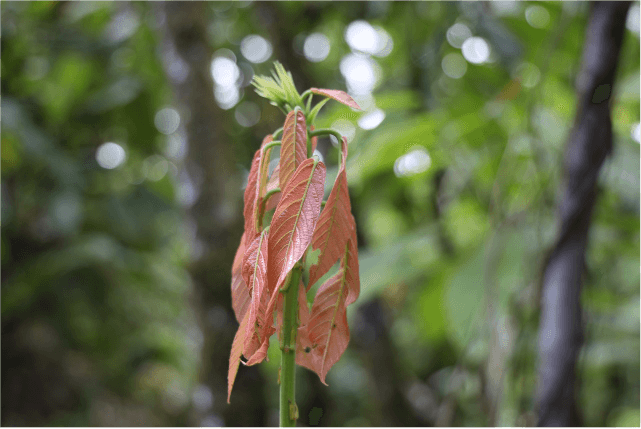
If you are interested to read more about our cacao origins (of course, all have perfect humidity), read on!
If you are interested to read more about our cacao origins (of course, all have perfect humidity), read on!
When sourcing cacao, it is interesting to know who is involved in the production, as it tells you more about the impact you are making on the field. At Silva we select our cacao suppliers because they bring something extra: Flavour, Farmer, Forest and the Future.

You might have seen pictures like the one above. Cut tests are quite photogenic. However, good looks are not the prime reason this test is performed. It is an important tool to identify problems in an early stage, assess the level of fermentation and evaluate beans. One of the most interesting difference between cacao purchaser for bulk industry and specialty cacao purchasers is that they use cut tests in completely different ways.